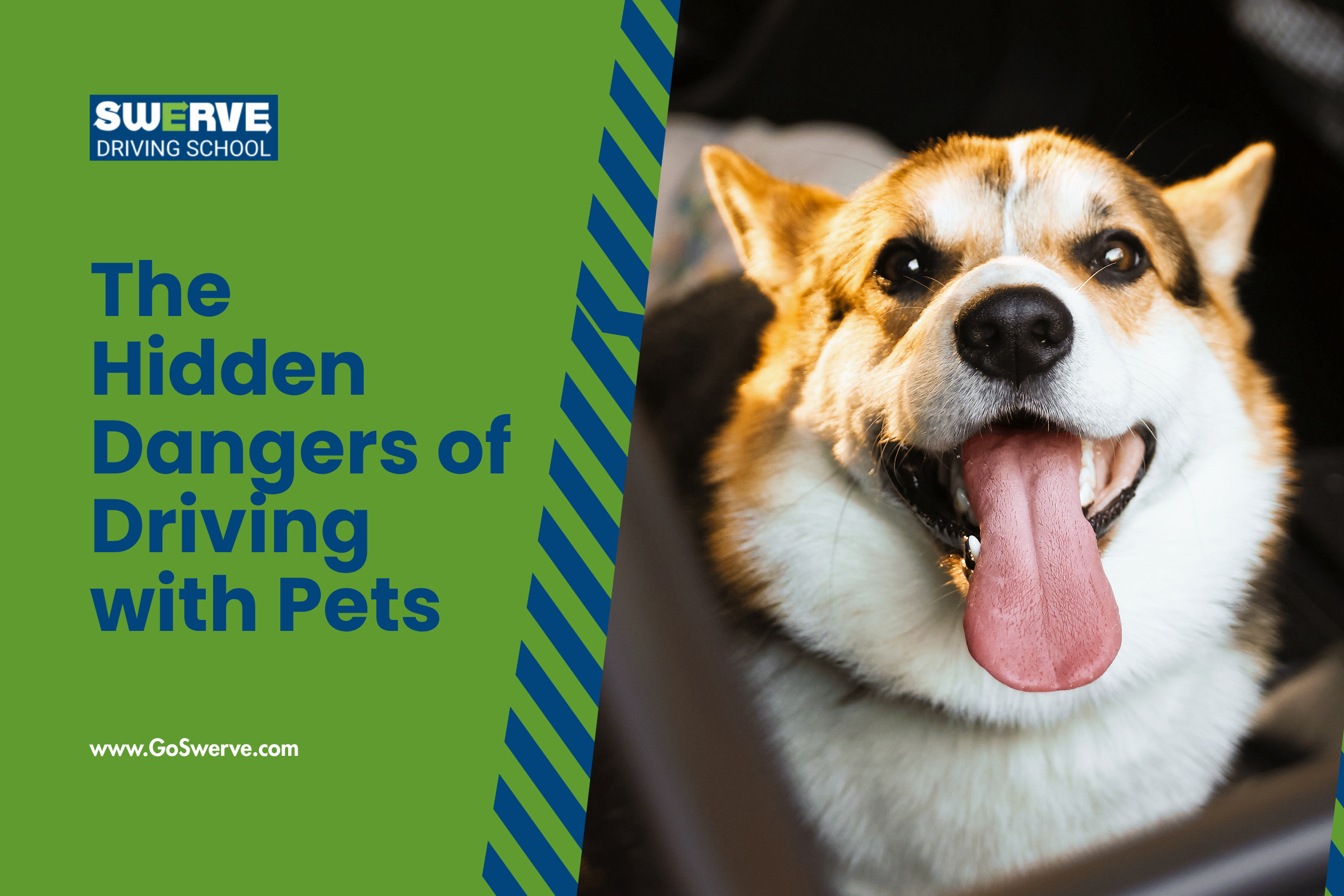
Many drivers travel with pets without thinking twice about it. A dog in the front seat or a cat roaming freely may seem harmless, but unrestrained animals can quickly become a serious distraction and safety risk.
Even calm pets can react unpredictably to traffic, sudden stops, or unfamiliar surroundings. Understanding these risks and taking simple precautions can make a significant difference in overall driving safety.
Unrestrained Pets Increase Distraction and Crash Risk
A loose pet inside a vehicle can shift positions, climb into the driver’s space, or block visibility. These movements can pull attention away from the road at critical moments.
The Centers for Disease Control and Prevention identifies distracted driving as a leading cause of crashes, and interacting with a pet falls into this category. Reaching back, holding a pet, or reacting to sudden movement can delay reaction time and increase the likelihood of a collision.
To reduce distraction:
• Keep pets secured in a designated space
• Avoid physical interaction while the vehicle is in motion
• Focus attention fully on driving conditions
Sudden Stops Turn Pets into Projectiles
In a crash or abrupt stop, an unrestrained pet can be thrown forward with significant force. This not only puts the animal at risk but can also injure passengers.
The American Automobile Association has highlighted that even a small pet can generate substantial force during a collision. Securing pets helps prevent them from becoming a hazard during emergency maneuvers.
How to improve safety:
- Use a crash tested pet harness or secured carrier
- Place carriers on the floor or buckle them in with a seatbelt
- Keep pets in the back seat, away from airbags
Driver Awareness Changes When Pets Are in the Vehicle
Driving with pets often changes driver behavior. Some drivers divide their attention between the road and the animal, especially if the pet is anxious or active. Defensive driving requires consistent focus, scanning ahead, and anticipating hazards. When attention is split, even briefly, it reduces the ability to respond to changing traffic conditions.
Safe habits include:
- Preparing pets before starting the trip
- Ensuring they are calm and comfortable
- Planning stops for longer drives to reduce restlessness
Proper Restraint Supports Both Safety and Comfort
Securing a pet does more than prevent injury. It also helps the animal feel more stable during the drive. Sudden turns, stops, and speed changes are less stressful when movement is limited.
Options for proper restraint include harness systems, travel crates and pet barriers. The right choice depends on the size and behavior of the animal, but the goal remains the same. Keep the pet secure and the driver focused.
Driving with pets introduces variables that many drivers underestimate. Distraction, unpredictable movement, and increased injury risk all play a role in vehicle safety. Small adjustments, such as using proper restraints and minimizing interaction, can reduce these risks and improve control behind the wheel.
How Swerve Driving School Helps
Swerve Driving School provides structured driver education designed to help new and experienced drivers strengthen their skills in hazard recognition, risk management, and real-world decision making. Courses cover:
- Teen driver education program
- Adult driving lessons
- Defensive driving focused on awareness and responsible choices
Automatic emergency braking is an important advancement in vehicle safety, but the foundation of road safety remains sound driving habits. Learning how to anticipate hazards and make good decisions behind the wheel supports safer roads in Florida, Washington, and beyond.