State Testing in WA & FL

Online Test Prep in All 50 States

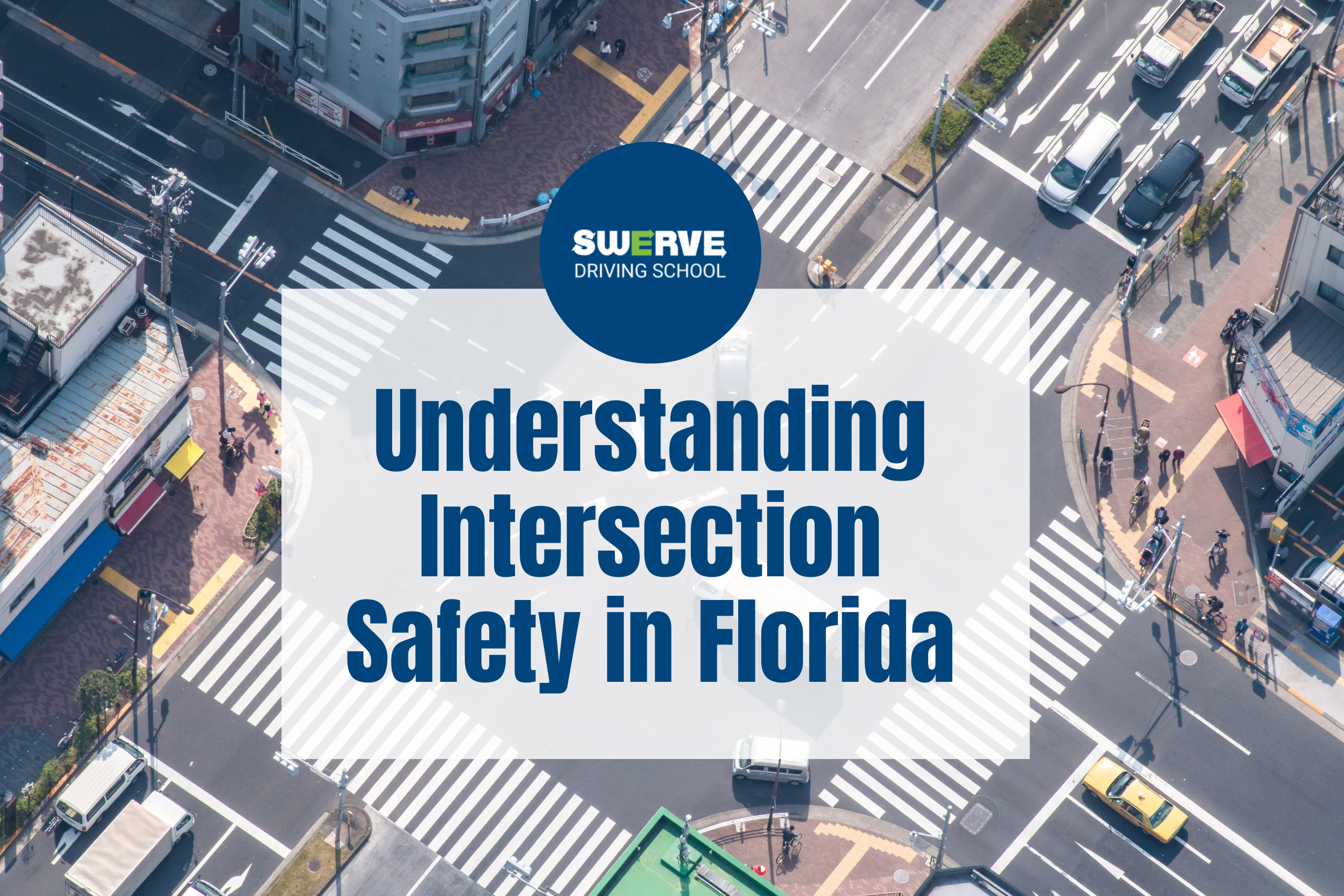
Understanding Intersection Safety in Florida

Intersections are where driving gets complicated. Traffic crosses, turns stack up, signals change, and timing matters. When something goes wrong, it usually happens fast.

In Florida, that risk shows up clearly in the data. The state sees hundreds of thousands of crashes each year, and a large share of them happen at intersections. This is not a coincidence. It is a pattern tied to how roads are built and how people move through them.

It is not just “bad intersections”

There is a tendency to label certain intersections as dangerous, as if the problem is isolated to a few locations. In reality, the same types of intersections across Florida tend to produce the same kinds of crashes.

You see it most often in:

  • Large urban corridors in cities like Miami, Orlando, Tampa, and Jacksonville
  • High-speed highways that meet local roads
  • Multi-lane intersections with heavy turning traffic
  • Areas with a steady flow of tourists and unfamiliar drivers

These locations share one thing. They combine speed, volume, and complexity in the same space.

Where risk really comes from

When you step back and look at crash patterns, a few causes show up again and again.

  • Too many decisions at once
    • Wide intersections with multiple lanes force drivers to process a lot in a short amount of time. Signals, turning vehicles, lane positioning and pedestrians all compete for attention.
  • Left turns across traffic
    • Left turns continue to be one of the most common sources of serious crashes. Drivers are judging gaps in oncoming traffic, often under pressure from cars behind them.
  • Speed meeting a stop
    • When a fast-moving road leads into a signalized intersection, drivers are not always ready to slow down. That leads to hard braking, rear-end crashes, and vehicles entering the intersection too late.
  • Congestion changes behavior
    • Heavy traffic creates frustration. People take chances they would not take on an open road. Late yellows get pushed. Gaps get forced. Attention drops.
  • Drivers who do not know the road
    • Florida roads carry a mix of locals and visitors. Tourists rely on directions and make last-second moves. That hesitation and unpredictability increase conflict.
  • Pedestrian exposure
    • In many areas, wide roads meet steady foot traffic. Long crossings and high speeds leave little margin for error.

What safer intersections do differently

Safer intersections are not perfect, but they do remove many of the pressure points that lead to crashes. They are designed to simplify what drivers have to process in a short amount of time. This often means fewer lanes, slower approach speeds and clearer organization of traffic. Protected turn signals help separate movements that would otherwise conflict, while better visibility and lane markings make it easier for drivers to understand where they need to be and what is happening around them.

In some cases, roundabouts replace traditional signals where they fit the traffic pattern. These designs keep traffic moving while reducing the chance of severe collisions. Overall, these changes limit the number of decisions drivers have to make at once and give them more time to react, which plays a direct role in reducing crashes.

What this means behind the wheel

Most intersection crashes follow predictable patterns. That makes them easier to avoid if you know what to watch for. Approach every major intersection with a little more caution than you think you need.

  • Give extra attention to left turns.
  • Do not assume other drivers will stop on a late yellow.
  • Watch for sudden lane changes near busy corridors.
  • Stay alert for pedestrians, even when you have the right of way.

Intersections are where small mistakes carry the biggest consequences. In Florida, the data makes that clear. The risk is not random, and understanding the pattern is one of the simplest ways to stay out of it.

How Swerve Driving School Helps

Swerve Driving School provides structured driver education designed to help new and experienced drivers strengthen their skills in hazard recognition, risk management, and real-world decision making. Courses cover:

Automatic emergency braking is an important advancement in vehicle safety, but the foundation of road safety remains sound driving habits. Learning how to anticipate hazards and make good decisions behind the wheel supports safer roads in Florida, Washington, and beyond.

Contact

If you would like to contact or find a
Swerve Driving School by state or zip code, please use the Locations Page button.

Contact Media

12345 Lake City Way NE #348
Seattle WA 98125-5401

Contact media

USDS Franchising Corp

12345 Lake City Way NE #348
Seattle WA 98125-5401